
©Bryan Kao
July 11, 2025
Little Night Fairies
- as seen by -
 Bryan Kao
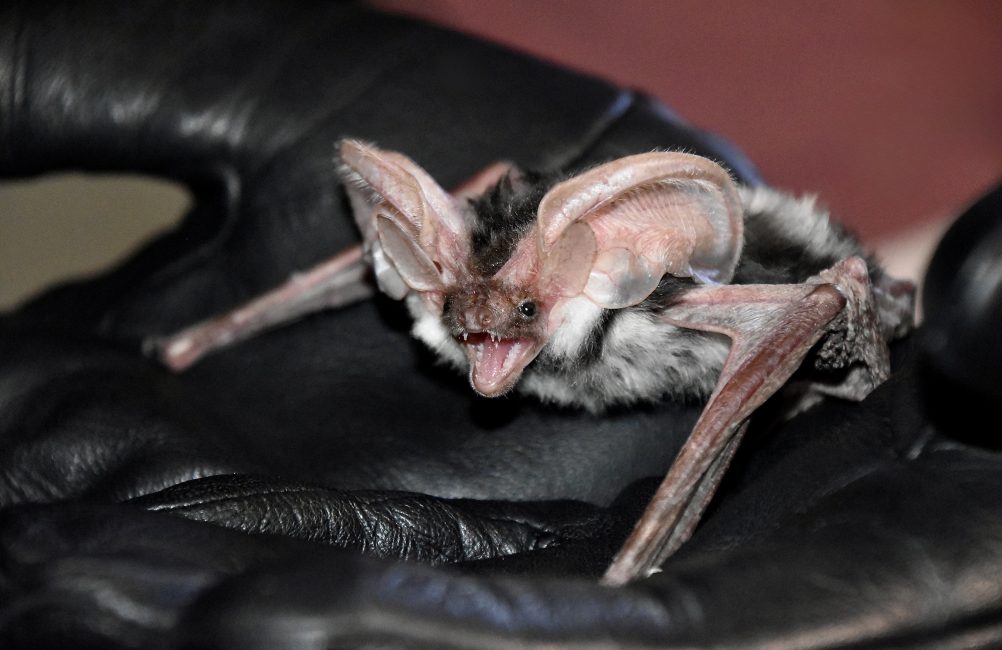
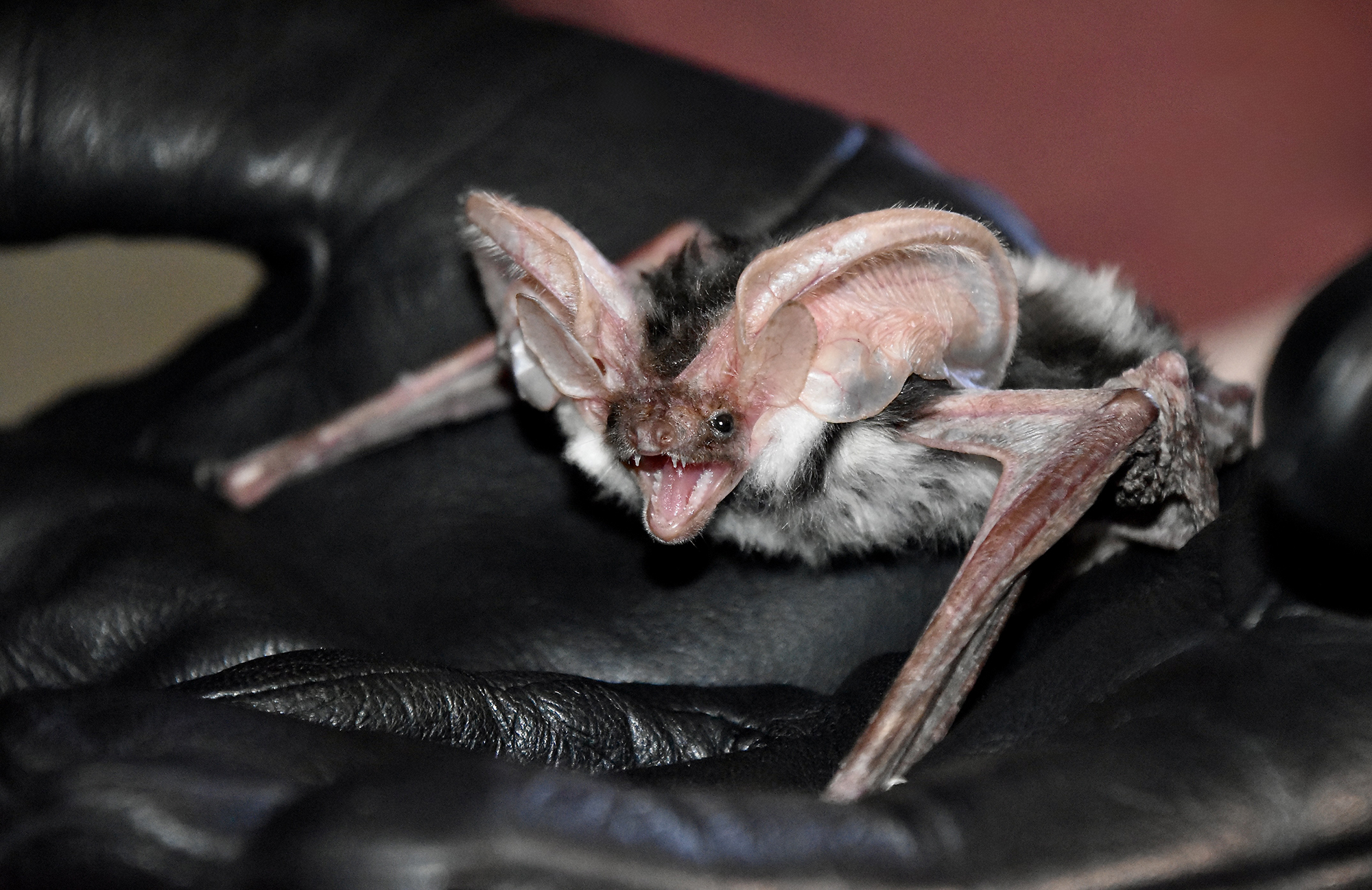
North American bats come in all shapes and sizes, but one stands out for its unique appearance, the spotted bat (Euderma maculatum). With white spots on black fur and a pair of oversized ears that can be furled and unfurled, it is reminiscent of an adorable, fantastic beast from folklore. Adding to its mythical nature, spotted bats are rarely encountered by humans; only 35 of them were seen between 1891 and 1965, according to Bat Conservation International. Despite being considered Least Concern by the IUCN Red List of Threatened Species and having a wide range from British Columbia through the western US states to central Mexico, these little night fairies are extremely selective of their roosts. Typically, the bats prefer sheltering alone in undisturbed cracks and crevices on steep cliffs, so remote sections of the Grand Canyon are a stronghold for their population. When on the hunt for moths, they venture into diverse biomes including ponderosa pine forests, grasslands, marshes, and deserts. The bats communicate with low-frequency echolocation clicks that sound like the buzzing hum of an electric power line.
Because they can fly across vast lands, and because there are so many different types of bats, this group of mammals provides a myriad of ecosystem services: natural pest control by eating mosquitoes and crop-damaging insects, pollinating the flowers of crops, and dispersing seeds so forests can grow. Keeping forest habitats intact and allowing trees to mature, together with protecting wetlands and riparian habitats and reducing the use of pesticides, can go a long way toward helping our flying mammal friends help us.
At Arizona Bat Rescue in Mesa, Arizona, I had the honor of meeting Zora, one of only a handful of spotted bats that ended up in human care. Having wandered far away from suitable habitat, she was found unwell in the Phoenix metropolitan area and is under the care of licensed bat rehabilitators and veterinarians who are nursing her back to health.
Check out bats of several species and learn about the vital roles they play in nature at the Wildlife Conservation Society’s Bronx Zoo and other WCS parks. The Bronx Zoo’s new World of Darkness featuring bats and other nocturnal animals opens on July 12, 2025.
EDITOR’S NOTE: WCS Canada Western Bat Program offers a resource guide to Best Management Practices for Bat Houses in the USA and Canada here.
NIKON D5500

Comments